Quick Answer
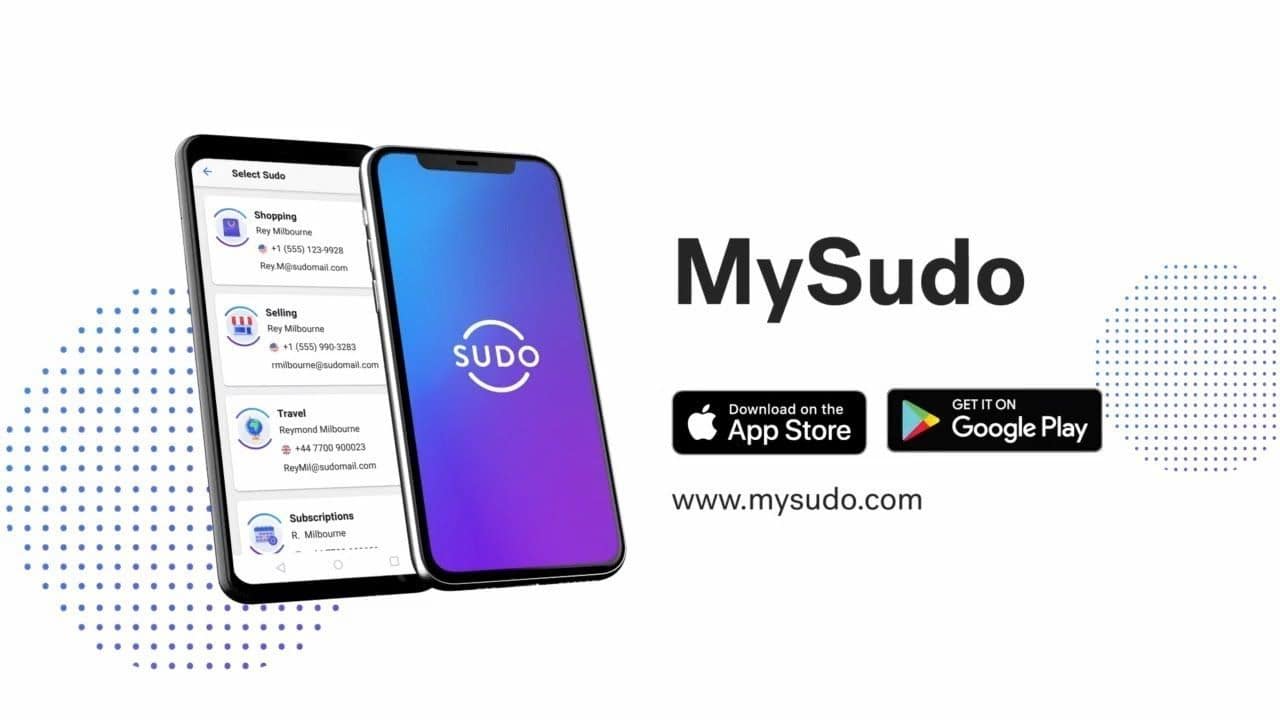
- MySudo lets you create up to nine virtual identities with their own phone and email.
- It’s a good privacy-first alternative to Google Voice
- It’s good for creating virtual phone numbers for companies you don’t yet trust, or don’t want associated with your real identity
- Not the best for serious SMS 2FA
What Is MySudo?
MySudo is a privacy app by Anonyome Labs. It offers multiple “Sudos,” which are self-contained digital identities. Each Sudo can have its own:
- Phone number (US/CA/UK only)
- Email address
- Optional virtual payment card (US only)
MySudo accounts don’t need your personal email or phone number. This is noteworthy because many “private number” apps still want your existing mobile number. MySudo doesn’t, except for special cases like UK numbers or virtual credit cards.
If one Sudo gets spammed, breached, or burned, you just delete that identity. Your core SIM and personal email stay clean and unexposed.
Some banks and big tech companies either block VoIP ranges or behave unreliably with them. Users report issues with certain financial institutions (e.g., American Express codes not coming through reliably).
About MySudo Phone Numbers
- MySudo numbers are real, unique phone numbers.
- Each phone number has customizable voicemail, ringtones, and contacts list.
- You can mute notifications and block unwanted callers.
- MySudo numbers are fully functional for messaging, and voice, video and group calling.
- Calls and messages with other MySudo users are end-to-end encrypted. Calls and messages out of network are standard.
- Calling with MySudo works like WhatsApp or Signal, but with the privacy advantage that you’re not handing over your real number to sign up.
- You can manage multiple numbers all in one app (read: How to Get 9 “Second Phone Numbers” on One Device).
Encryption and Security Model
The security model is better than most “burner” apps:
- Data at rest is encrypted (AES‑256) on their infrastructure.
- Data in transit uses TLS 1.2+ only, no legacy SSL.
- User data, such as messages, SMS, and emails, is encrypted with AES-256 keys for each item.
- End‑to‑end encryption is available for messaging, calls, and email between MySudo users.
MySudo is still closed source, so you have to trust their implementation and AWS setup.
You can read their encryption deep dive here.
Pricing
- Free: 3 Sudos with email and messaging, but no phone numbers.
- SudoGo ($1.99/month): 1 phone number, 100 SMS, 30 minutes.
- SudoPro ($4.99/month): 3 phone numbers, 300 SMS, 200 minutes.
- SudoMax ($14.99/month): 9 phone numbers, unlimited SMS and calls.
Annual plans save 16%.